Nobody Claps for Zone 2: What Actually Strong 50-Somethings Are Doing (and Buying Almost Nothing)
Photo: Internet Archive Book Images, No restrictions, via Wikimedia Commons
There's a specific kind of guy who shows up in the 6 a.m. slot at any decent gym in America. He's 54, maybe 58. He deadlifts more than the influencers half his age, his resting heart rate looks like a marathoner's, and when you ask what he's taking, he shrugs and says something like "eggs?"
We wanted to know if that shrug was hiding something, so we spent a few weeks talking to men over 50 who are genuinely thriving — good strength numbers, clean lab panels, energy that doesn't crater at 2 p.m. What we found wasn't a stack. It was a short, unglamorous list that almost nobody wants to hear, because there's nothing to add to cart.
The Boring Baseline Nobody Sells
The first thing that became obvious: these guys track almost nothing fancy. What they do have is consistency measured in years, not weeks.
Take Marcus, 57, a HVAC contractor outside Phoenix. He's been eating 40-plus grams of protein at breakfast for a decade — eggs, Greek yogurt, whatever's on hand — not because of some anabolic window mythology, but because his doctor told him at 47 that men lose muscle faster than they think after 50 and protein is the cheapest insurance there is. He's never missed a physical since.
Or Dale, 62, retired firefighter in Ohio, who walks 45 minutes most mornings at a pace where he can talk but wouldn't want to sing. That's it. That's the zone 2 cardio that every $300 supplement protocol claims to replace. His cardiologist reportedly called his last lipid panel "the boring kind of good."
The pattern repeats across everyone we spoke to:
- Protein at every meal, front-loaded earlier in the day
- Low-intensity cardio most days, not hero workouts
- Lifting heavy-ish twice a week, with more rest than ego
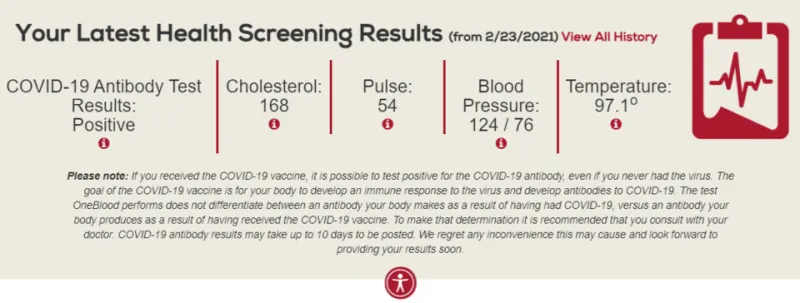
- Annual bloodwork — the same panel, every year, so trends are visible
- Alcohol way down from their 40s, most without making a production of it
None of this trends on TikTok. All of it shows up in bloodwork.
Where the Money Actually Goes (Hint: Not Supplements)
Here's the part that stings if you've got a shelf full of tubs: the most expensive item in most of these guys' routines is a gym membership. The second most expensive is the lab work.
A couple of them do own gadgets — a Oura ring here, a used rowing machine there — but none of them treated a device as the intervention. The consensus, more or less in Dale's words: "The watch doesn't walk for you."
Compare that to the current biohacking menu being marketed at men in their 40s and 50s: peptide vials from Telegram, NAD+ infusions at $500 a pop, testosterone clinics on every corner writing scripts after a 10-minute intake call. The marketing is precise — it targets exactly the insecurity that shows up when energy dips in your late 40s, and it offers a shortcut that skips the decade of boring habits.
The guys aging well took the decade. That's the whole trade.
The Bloodwork Advantage
If there's one thing that separated this group from their peers, it wasn't diet or training — it was that they'd seen their own numbers, repeatedly, for years.
That matters more than it sounds. A1c, lipids, vitamin D, thyroid, and yes, testosterone — when you've got five years of data, you know what's drifting before it becomes a symptom. One guy caught a creeping blood pressure trend at 51 and adjusted; his buddy who "felt fine" found out at 58 the hard way, in an ER outside Tampa.
This lines up with a broader shift we've covered before: men treating an annual panel like an oil change rather than a crisis response. It's the least sexy habit on this list and possibly the highest leverage.
What to Ignore
We're not going to tell you supplements are all snake oil — some, like vitamin D or creatine for older lifters, have real evidence. But the men we talked to spent almost nothing there, and the industry spends billions convincing you the opposite. A rough filter based on how these guys operate:
- If it promises to replace sleep, walking, or protein, it's a shortcut story.
- If it requires a DM to buy, it's a different category of problem entirely.
- If the pitch is aimed at your age panic rather than a measurable gap in your labs, close the tab.
The Uncomfortable Summary
The 'Strong at 50' playbook is real, and it's been sitting in plain sight the whole time: eat enough protein, move at an easy pace most days, lift something heavy twice a week, sleep like it's your job, get your blood drawn every year, and give it a decade.
Nobody claps for zone 2. Nobody's building a funnel around annual bloodwork. That's precisely why it works — there's no margin in the truth. The guys doing it aren't biohackers. They're just the ones who stopped looking for the shortcut early enough for the long road to pay off.