PSA Screened at the Tailgate: Pop-Up Health Checks Are Showing Up Where Guys Actually Hang Out
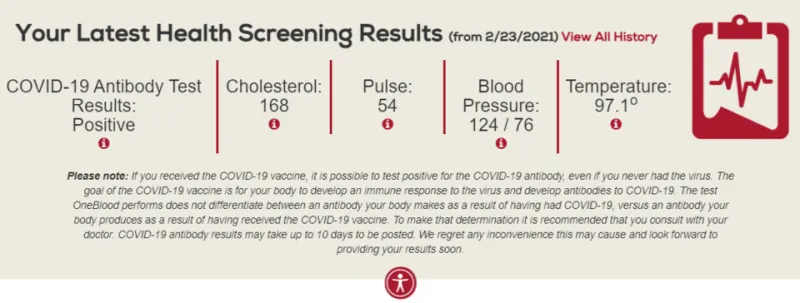
Photo: Whoisjohngalt, CC BY-SA 4.0, via Wikimedia Commons
There's a folding table set up outside the Kroger in a Columbus suburb on a Saturday morning. On it: a blood pressure cuff, a laminated sheet explaining cholesterol ratios, and a volunteer in a polo shirt waving down guys carrying mulch and cases of Bud Light. By noon, he'll have checked 40 men. Most of them haven't seen a doctor since the last presidential administration.
Scenes like this are playing out across the country — at tailgates, bass tournaments, Home Depots, state fairs, and yes, gyms and barbershops. Public health folks call it "bringing screening to the point of contact," and after a decade of begging men to book appointments, the strategy has flipped: stop waiting for men to come to healthcare. Put healthcare where the men already are.
The Turnout Problem Nobody Solved With Reminders
American men are famously bad at preventive care. Various surveys put the share of guys who skip annual physicals somewhere north of 40%, and the reasons are boringly consistent: time, cost, hassle, and a low-grade fear of hearing bad news in a place designed for hearing bad news.
Pop-up screenings attack all four at once. There's no appointment, no copay, no waiting room with a nature documentary playing. You're already in sweatpants. The barrier to entry is basically zero, and the data backs up the approach — community screening events routinely reach men who describe themselves as "never" or "rarely" in the healthcare system. A guy who would ghost three appointment reminder texts will stand in line for five minutes at a tailgate to get his blood pressure read between cornhole games.
Is that ideal medicine? No. Is it better than nothing? The numbers say yes. Undiagnosed hypertension is one of the biggest silent problems in American men's health, and a cuff at a hardware store has caught plenty of 160/105 readings that would have otherwise stayed hidden until something broke.
What Actually Works at the Folding Table
Not all screenings are created equal, and this is where the trend deserves a skeptical eye. Here's the honest breakdown.
Blood pressure. The gold standard of pop-up screening. It's cheap, fast, painless, repeatable, and it catches a condition that's symptomless until it isn't. If a table offers nothing else, this alone justifies the event. One caveat: a single elevated reading at a stressful environment (say, your team losing by 21) isn't a diagnosis. It's a flag. The right response is "go get this confirmed," not "panic."
A1C and glucose checks. A finger-stick blood sugar or A1C test can catch prediabetes in guys who have zero idea they're trending that way. Type 2 diabetes often runs silent for years, and men are more likely than women to be diagnosed late. A five-minute finger prick at a car show has genuinely changed trajectories.
Cholesterol panels. Finger-stick lipid panels are decent ballpark numbers. Not lab-grade, but useful for spotting guys whose LDL is in the stratosphere and who should follow up properly.
PSA blood draws. Prostate screening at community events is more contested. Major medical groups disagree about when and whether routine PSA testing makes sense, and a pop-up draw with no counseling attached can create more anxiety than clarity. If you get one, ask who's interpreting it and what happens next.
The Marketing Theater Section
Now the part the sponsors don't put on the banner.
Some pop-up "health screenings" are lead-generation machines wearing a wellness costume. The tell is what happens after the test. If a free "body composition scan" or "hormone assessment" ends with a hard pitch for a supplement line, a telehealth clinic subscription, or testosterone injections from a company whose name is on the tent — congratulations, you weren't screened. You were funneled.
Watch for these red flags:
- The free test that requires "your own lab work" afterward, conveniently purchasable through a QR code
- Vague panels with scary names — "inflammation screening" and "toxicity assessments" that aren't validated tests so much as sales hooks
- No licensed provider anywhere in sight. Legitimate screening events have nurses, pharmacists, or trained volunteers from health systems or public health departments. A guy in a branded hoodie reading a device isn't the same thing.
- Results with no context. Any screening worth doing comes with a "here's what this means and here's what to do next" conversation. A number handed to you on a sticky note is marketing, not medicine.
A good rule of thumb: the more the screening ends with a product, the more skeptical you should be of the screening.
Why the Oddball Venues Might Be the Point
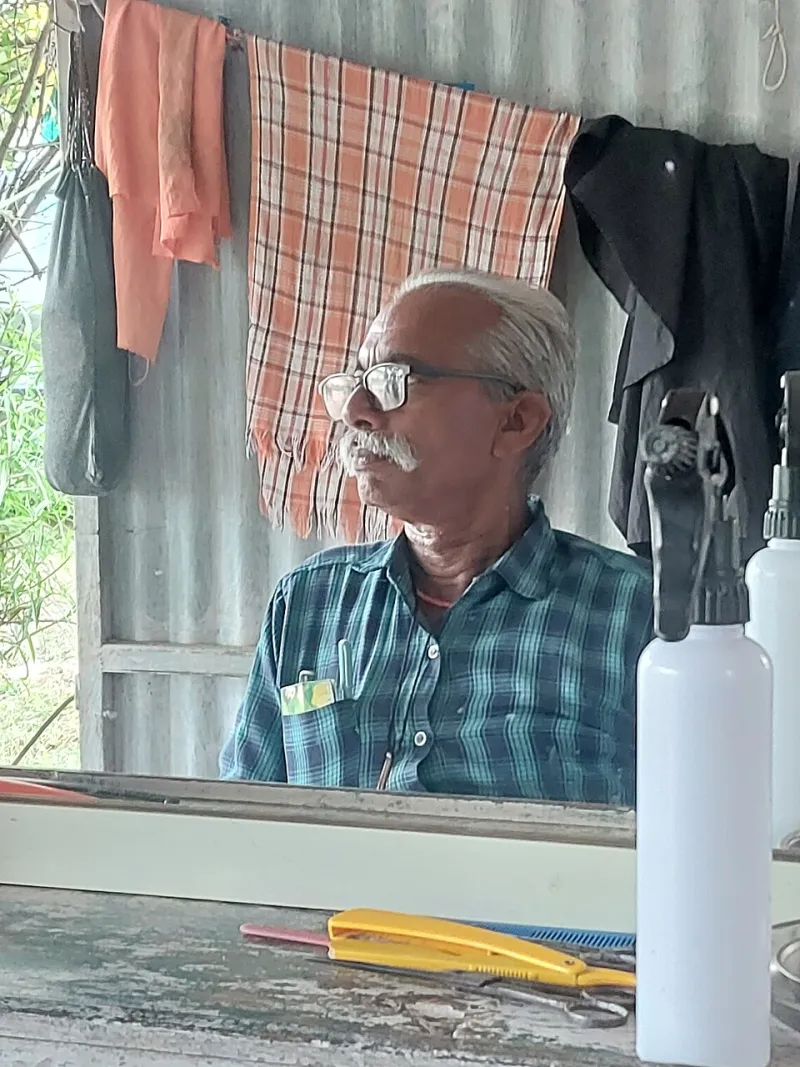
There's a temptation to roll eyes at the whole concept — real healthcare happens in clinics, right? But the venues are the feature, not the bug. Research on barbershop-based blood pressure programs, some of it run out of major medical centers, has shown real results precisely because the barbershop is a trusted place with no baggage attached. Nobody walks into a barbershop braced for bad news. That psychological difference matters more than most healthcare marketing budgets.
Same logic applies to a tailgate or a fishing expo. These are places where men are relaxed, social, and unguarded — the exact opposite of the emotional state most guys bring into an exam room.
The Playbook If You See a Table
If you run into one of these events, take the free stuff that's legit and skip the funnel. Get the blood pressure reading. Do the finger stick if it's offered by an actual health organization. Take the results seriously without treating them as a diagnosis. And if anything comes back flagged, the pop-up did its job — the follow-up happens with a real doctor who can confirm, track, and treat.
The folding table isn't a replacement for a physician. It's a doorway. Some of the best first steps in men's health this decade haven't happened in hospitals. They've happened next to the grill, between quarters, and in the parking lot — because that's where the guys were all along.