The Vial in the DM: Inside America's Gray-Market Boom for Unprescribed Performance Drugs
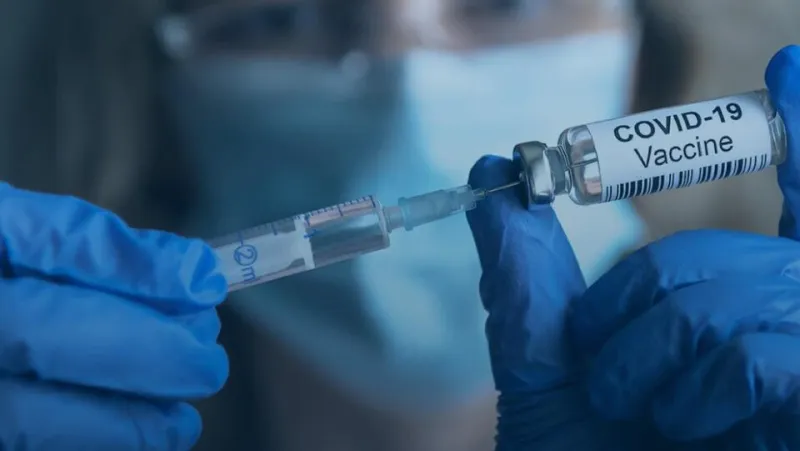
Photo: United States Census, Public domain, via Wikimedia Commons
There's a particular kind of guy who would never take an aspirin from a stranger at a tailgate. Same guy, three months later, is reconstituting an unlabeled vial from an anonymous Telegram seller with bacteriostatic water he also bought online.
If that sounds like a niche problem, it isn't. Across the US, a sprawling gray market has grown up around men chasing an edge — more muscle, faster recovery, sharper focus, better libido. And it doesn't run through shady parking lots. It runs through encrypted group chats, 'research chemical' websites with checkout pages cleaner than your bank's, and influencers who post lab results one week and discount codes the next.
How the Gray Market Actually Works
The magic word is research. Most peptide vendors operate under the legal fiction that their products are sold for laboratory study, not human use. That's why the label says 'Not for human consumption' in tiny font while the entire marketing ecosystem — the TikTok explainers, the Reddit protocols, the Telegram 'educators' — talks about nothing but dosing.
This loophole lets vendors skirt FDA oversight entirely. No manufacturing standards. No purity verification. No recall mechanism if a batch is contaminated. When the FDA does crack down, sellers simply rebrand under a new name and a new channel, often within days.
The products themselves range from BPC-157 and TB-500 (peptides marketed for healing) to semaglutide clones, melanotan, and outright counterfeits of prescription drugs. Independent testing of gray-market vials has repeatedly found underdosing, overdosing, bacterial contamination, and in some cases entirely different compounds than advertised.
The Psychology of the Injectable
Here's the part that fascinates harm-reduction workers: the same men who'd never swallow a gas station pill will gladly inject something from an anonymous source. Why?
'It's the ritual,' one harm-reduction educator told us, describing the pattern they see over and over. 'There's a whole process — the vial, the syringe, the dose math. It feels clinical. It feels like something a specialist would do. That theater creates a false sense of legitimacy.'
There's also community. Telegram channels function like locker rooms: before-and-after photos, stack advice, reassurance when someone's injection site gets angry and red. The social proof substitutes for medical oversight. If 400 guys in the group chat say it's fine, it's fine — right?
And unlike a pill, injectables feel 'serious.' For men who've been dismissed by a rushed seven-minute doctor's appointment, doing it yourself can feel like taking control. The tragedy is that they're trading one bad system for a worse one.
What You're Actually Risking
A realistic breakdown, based on what harm-reduction experts consistently flag:
- Unknown purity. You have no idea what's in the vial. Independent lab tests of gray-market products routinely find discrepancies between label and contents.
- Sterility. Home injection without proper technique risks abscesses and, in worse cases, serious systemic infections.
- No dosing science. Many of these compounds have never been studied in humans at the doses being passed around group chats. You are, functionally, a test subject.
- Legal exposure. Possessing prescription drugs without a prescription is a crime in most states, even when the product is dressed up as a 'research chemical.'
- No off-ramp. If something goes wrong, your doctor can't help you with a substance they don't know about — and you may be too embarrassed to tell them.
If You're Going to Do It Anyway
We're not going to pretend editorializing alone stops anyone. Harm-reduction folks will tell you the same thing: if someone's set on using, the goal is keeping them alive and out of the ER.
- Demand third-party lab results, and be skeptical of labs you've never heard of.
- Never inject anything you can't verify — this is the line where 'gray market' becomes 'gambling with sepsis.'
- Tell your actual doctor what you're taking. They're not there to judge; they're there to catch the interaction that lands you in the hospital.
- Be deeply suspicious of anyone selling you a 'stack.' Bundling products is the oldest gray-market trick in the book.
The Bigger Picture
The gray market thrives because the legitimate system fails men. Real healthcare for low energy, low libido, or body dissatisfaction often means expensive clinics, insurance battles, or a shrug. The underground offers certainty, community, and a credit-card checkout page.
But 'the system is broken' is not a business plan for your endocrine system. The vial in the DM has no accountability, no quality control, and no interest in your long-term health. Before you send that first message, it's worth asking what, exactly, you're buying — and who profits when it doesn't work.