Your $200 Bedtime Routine Is a Marketing Funnel (Here's the $20 Version)
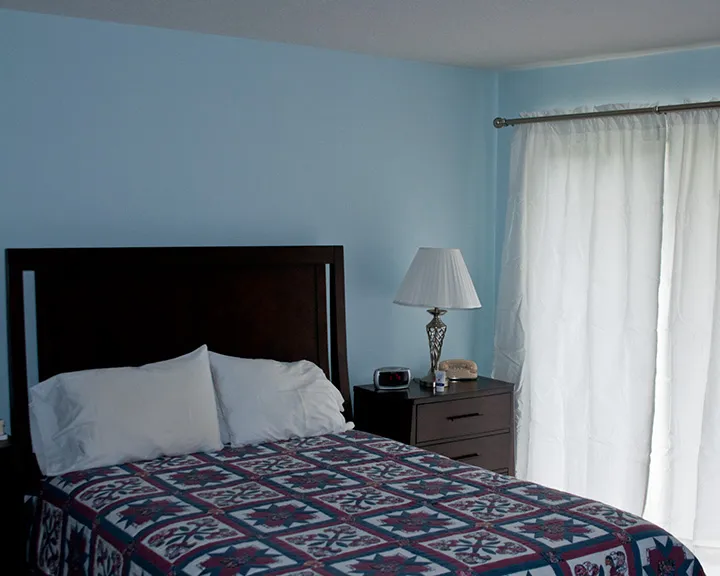
Photo: BFS Man from Webster, TX, USA, CC BY 2.0, via Wikimedia Commons
Somewhere along the way, sleep stopped being something we do and became something we optimize. Scroll through any fitness YouTuber's 'night routine' video and you'll find a grown man with a $90 magnesium glycinate blend, amber bulbs, mouth tape, a weighted blanket, a bedside sauna blanket, and a supplement stack that reads like a chemistry syllabus.
The sleep economy noticed a vulnerability and went to work: men who feel behind during the day will pay almost anything to win at night.
Why the Marketing Works So Well on Guys
Sleep products aren't sold as comfort anymore — they're sold as performance. The pitch goes like this: your competition is sleeping 8 hours with perfect HRV, and you're losing. Every product is framed as an edge. That's a genius reframe, because it converts rest — traditionally seen as soft, lazy, unmanly — into a competitive activity. Very masculine. Very American. Very profitable.
It also preys on a real problem. Men are genuinely sleeping worse than previous generations, and when you're exhausted at 2 p.m. staring at a wall of products, buying a solution feels like taking action. Often it's just buying a feeling of control.
What the Evidence Actually Supports
Let's sort the stack into three buckets:
Actually has decent research behind it:
- Consistent sleep and wake times. Boring, free, and the single most evidence-backed intervention in sleep science.
- Dim light and no screens in the last hour. Not because screens are magic poison, but because light and mental stimulation delay melatonin release. Blue-light glasses help a little; turning the lights down helps more.
- A cool, dark room. Around 65–68°F. A fan costs $15.
- Magnesium. Plain old magnesium glycinate (a few dollars a month) shows modest evidence for sleep quality, especially if your diet is low in it. You do not need a $60 'sleep blend' — it's the same molecule with fancier packaging.
Weak or mixed evidence:
- Mouth taping (fine if you're healthy, genuinely risky if you have sleep apnea — get screened first).
- Most herbal stacks — ashwagandha and chamomile show mild effects at best.
- Weighted blankets — pleasant, but the research is thin.
Pure branding:
- 'Proprietary' sleep cocktails where every ingredient is underdosed.
- Sleep-focused wearable subscriptions that mostly tell you what you already know: you slept badly because you stayed up until 1 a.m.
The $20 Night Routine
Here's the minimalist version that outperforms most $200 stacks:
- Same bedtime and wake time every day, including weekends (free).
- Blackout curtains or a $8 sleep mask.
- Thermostat down, fan on.
- Phone out of the bedroom — an alarm clock costs $10.
- Optional: basic magnesium glycinate if your diet is sketchy.
That's it. If you do this for a month and still feel wrecked, the answer isn't another supplement — it's a conversation with a doctor about sleep apnea, which an estimated 20–30% of men have and most never get diagnosed.
The Honest Take
The sleep stack economy sells complexity because complexity justifies margin. But the fundamentals of good sleep cost almost nothing and outperform nearly every product on the shelf. Save the $180, fix the boring stuff first, and if you're still struggling, get a real diagnosis instead of a fancier routine.